Home/Solutions/PNG & PRMS

PIPELINE NATURAL GAS & PRMS

Controlled pressure.Dependable industrial delivery.

Customised pipeline-gas receiving, pressure regulation and metering infrastructure for industrial and commercial facilities. LAIMEX provides engineering, EPC, commissioning, O&M and technical consultancy for the infrastructure; we do not supply gas.

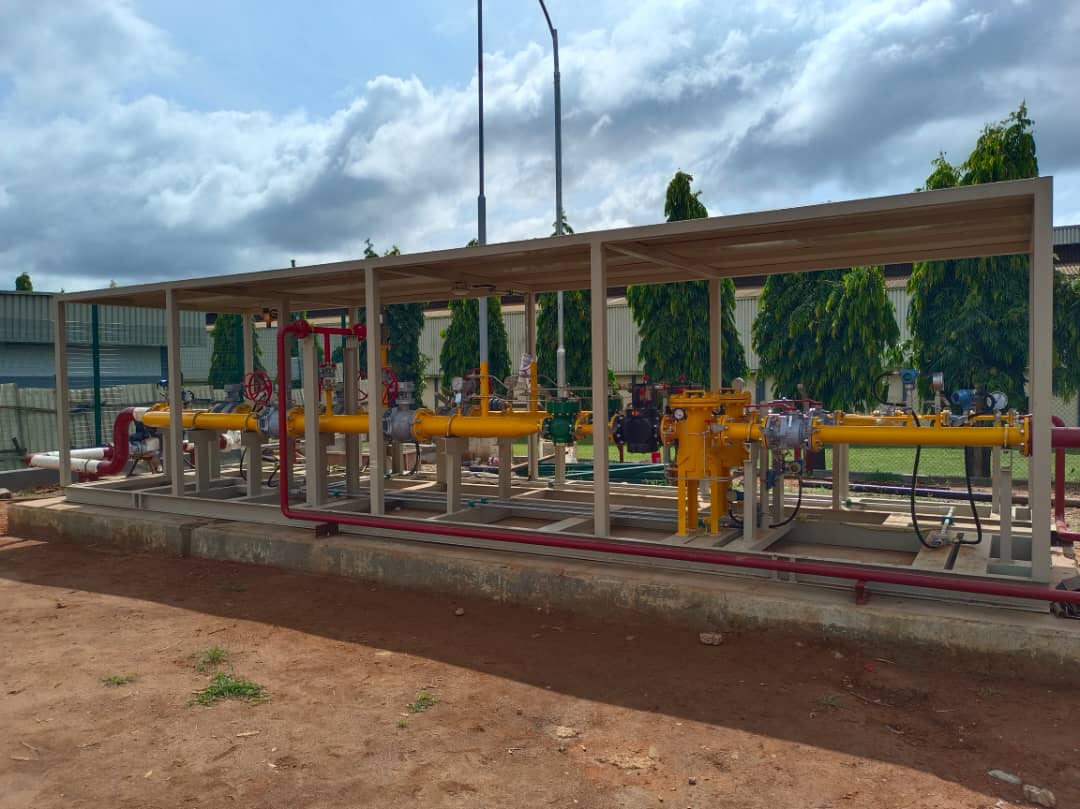
Unbranded industrial natural-gas pressure regulation and metering station
Receipt · Conditioning · Regulation · MeteringProcess, mechanical, E&I, automation and safety systems integrated around the delivery duty

PRMS APPLICATIONS

Infrastructure matched to the customer’s gas duty

The station is developed from pipeline conditions, end-user demand, delivery pressure, metering objective, redundancy and the required level of operational continuity.

01

Industrial PNG Receiving Stations

Pipeline-gas receiving, conditioning, pressure regulation, metering and distribution infrastructure for factories and process facilities.

  • Pipeline tie-in interface
  • Stable delivery pressure
  • Industrial load integration
  • Expansion-ready distribution
02

Captive Power Fuel-gas Stations

PRMS facilities developed around generator or turbine flow, pressure, temperature, gas quality, start-up behaviour and continuity requirements.

  • Dynamic load assessment
  • Fast response and stability
  • Duty / standby philosophy
  • Fuel-gas quality monitoring
03

Commercial & Multi-user Facilities

Central receiving and pressure-control infrastructure with downstream distribution and user-metering interfaces where permitted by the approved project model.

  • Common receiving station
  • User distribution branches
  • Metering interfaces
  • Phased capacity growth
04

PRMS Upgrades & Rehabilitation

Assessment and modification of existing stations to correct reliability, safety, control, capacity, metering or maintainability gaps.

  • Condition assessment
  • Capacity verification
  • Controls modernisation
  • Safe shutdown and tie-in

TYPICAL PROCESS PATH

From pipeline receipt to stable end-user pressure

The process arrangement and safeguards are finalised from the project-specific flow, pressure, temperature, gas quality, metering and applicable design requirements.

Pipeline tie-inMain isolation & ESDFilter / separatorGas heating where requiredMulti-stage regulationMetering & gas qualityDistribution headerIndustrial end use
Stable pressure reduction

Regulator stages, stream configuration and set points are selected for the complete inlet-pressure range, demand profile and required outlet stability.

Independent protection

Monitor regulators, slam-shut valves, safety relief and alarms are arranged so failure of one control layer does not remove overpressure protection.

Thermal management

Heating duty is verified against pressure drop, flow, inlet temperature, gas composition and the minimum acceptable downstream temperature.

THERMAL DESIGN

Pressure reduction and gas temperature must be evaluated together

Natural gas cools as pressure is reduced. Heater duty is therefore determined from the full inlet-pressure range, gas composition, flow, inlet temperature, regulator pressure ratio and the minimum permissible downstream temperature.

This protects regulators, valves, instruments and downstream piping from icing, hydrate formation, unstable control and excessive low-temperature exposure.

CalculateExpected Joule-Thomson temperature drop across each pressure-reduction stage.
ControlGas-heater outlet temperature, circulation and protective trips across the operating range.
VerifyMinimum downstream temperature during start-up, peak flow, turndown and upset conditions.

EQUIPMENT & SYSTEMS

A complete station, not isolated regulators

LAIMEX integrates the process packages, piping, control philosophy, metering, electrical systems, safety layers and downstream interfaces around one approved engineering basis.

Pipeline tie-in & isolation

Upstream interface, insulating joint where required, main isolation, actuated shutdown valve, bypass philosophy, vents, drains and safe access.

Filtration & separation

Filter separator or suitable filtration, differential-pressure monitoring, liquid collection, manual or automatic drains and contamination management.

Gas heating system

Indirect water-bath, electric or other suitable heating arrangement with temperature control, circulation, low-level protection and burner or electrical safeguards.

Pressure-regulating streams

Single or multi-stage regulation using active/monitor or duty/standby philosophy, isolation valves, sensing lines and maintainable stream layout.

Overpressure protection

Independent slam-shut protection, safety relief valves, pressure alarms, vent headers and set-point coordination across each pressure stage.

Metering & gas quality

Coriolis, turbine, ultrasonic, orifice or other suitable metering, flow computer interfaces, pressure and temperature compensation and gas-quality inputs.

End-user distribution

Downstream headers, branch isolation, pressure and temperature monitoring, optional odorisation and tie-ins to boilers, furnaces, generators or other loads.

PLC, HMI & SCADA

Integrated control, alarms, trends, permissives, interlocks, data logging, remote supervision and operational reporting for the complete station.

ESD, F&G & electrical

Emergency shutdown stations, gas and flame detection, cause-and-effect logic, hazardous-area electrical systems, earthing, lightning protection and safe-state actions.
DESIGN BASIS

Sized for the full operating envelope

A PRMS must perform safely at minimum, normal and maximum conditions. Capacity, protection, temperature, metering and controllability are assessed together before equipment selection.

Inlet conditions

Minimum, normal and maximum pipeline pressure, temperature, gas composition, contaminants and expected variation.

Demand profile

Hourly and daily flow, start-up peaks, turndown, simultaneous loads and future consumption growth.

Outlet requirement

Required delivery pressure, allowable fluctuation, minimum temperature and end-user equipment sensitivity.

Heating duty

Joule-Thomson cooling, regulator pressure ratio, gas flow, composition and minimum permissible gas and material temperature.

Regulation philosophy

Number of stages, active/monitor arrangement, duty/standby streams, bypass policy and maintenance continuity.

Metering objective

Custody, allocation or operational measurement, accuracy class, turndown, data retention and communication requirements.

Safety integrity

Shutdown layers, independent pressure protection, alarm response, F&G coverage and safe venting philosophy.

Site integration

Footprint, pipeline route, utilities, access, drainage, hazardous areas, shutdown window and future expansion.

SAFETY & OPERABILITY

Protection that remains independent of normal pressure control

Safe PRMS operation depends on correctly located sensing lines, coordinated trips and relief settings, verified shutdown logic, controlled venting, suitable heating and disciplined commissioning.

LAIMEX DELIVERY SCOPE

Technical support from tie-in planning to reliable operation

Our principal role is engineering, project execution and lifecycle technical support. Equipment and spares are incorporated where required to complete or sustain the engineered solution.

Feasibility

Demand review, pipeline conditions, site survey, concept selection, preliminary sizing, layout and project definition.

Engineering

Process design, PFD/P&ID, hydraulic and thermal calculations, equipment sizing, layout, civil, mechanical, electrical, instrumentation and safety integration.

EPC execution

Procurement coordination, construction, gas-line installation, package integration, quality control, tie-in management and project documentation.

Commissioning

Inspection, cleaning, pressure and leak testing, purging, loop checks, regulator set-up, interlock validation and performance verification.

O&M support

Operations, preventive maintenance, regulator and valve servicing, troubleshooting, calibration, optimisation, spare planning and competent manpower.

Training & advisory

Operator and maintenance competency, SOPs, emergency response, due diligence, technical audits and practical station-readiness support.

DEVELOP OR UPGRADE YOUR PRMS

Start with pipeline conditions, demand and delivery requirements.

We will help define the station capacity, regulation philosophy, metering, safety systems and complete project scope.

Request a technical discussion View all solutions